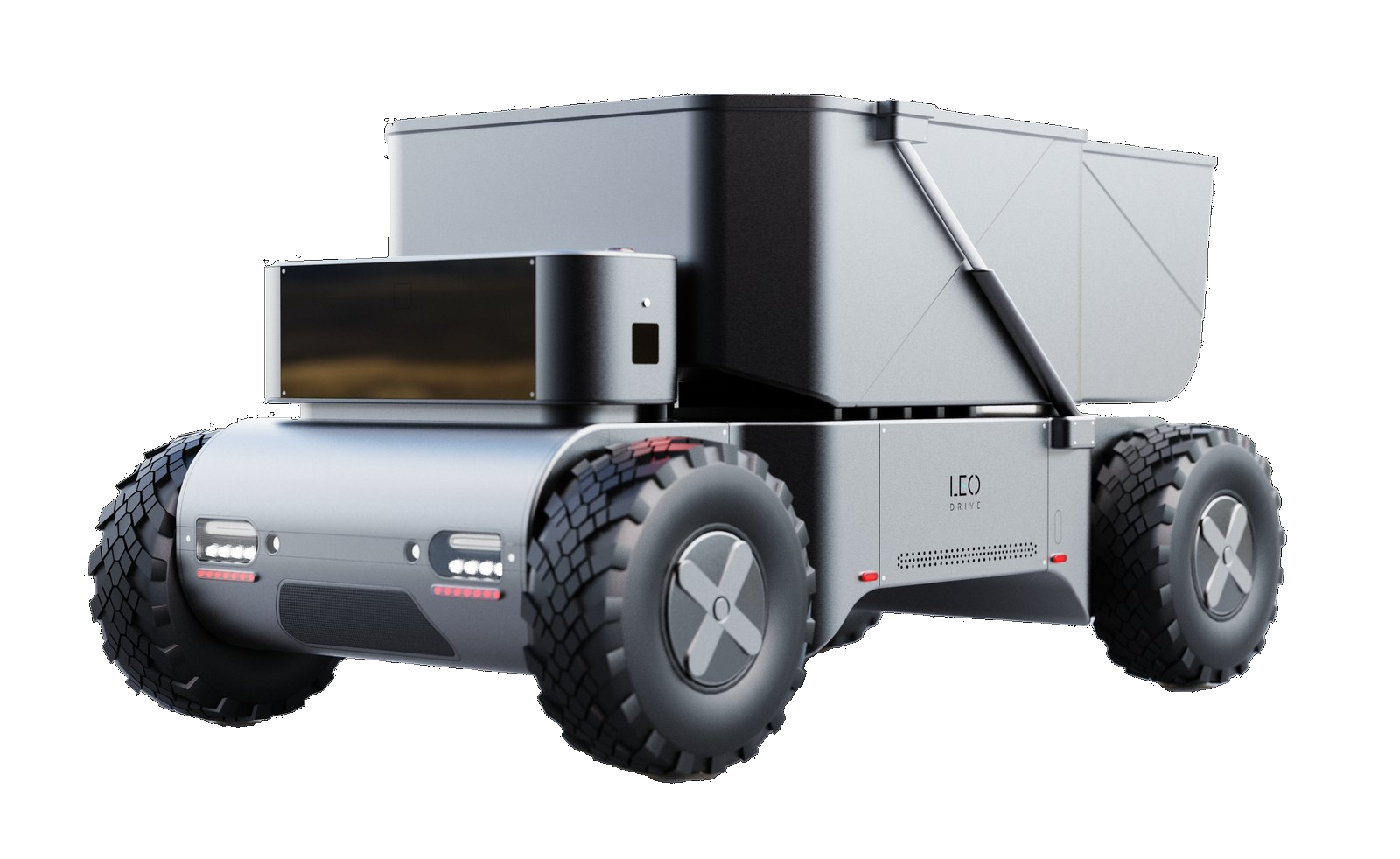
Application example
Industrial Off-Road Vehicles
Heavy equipment, trucks and site vehicles made autonomous or remotely operated, and the hardware that keeps working on rough sites.
Automation on the machines already in service
Site automation often starts with the machines a fleet already runs rather than with new vehicles. That puts the weight on components that survive vibration, dust and temperature, and on redundancy for when something fails.
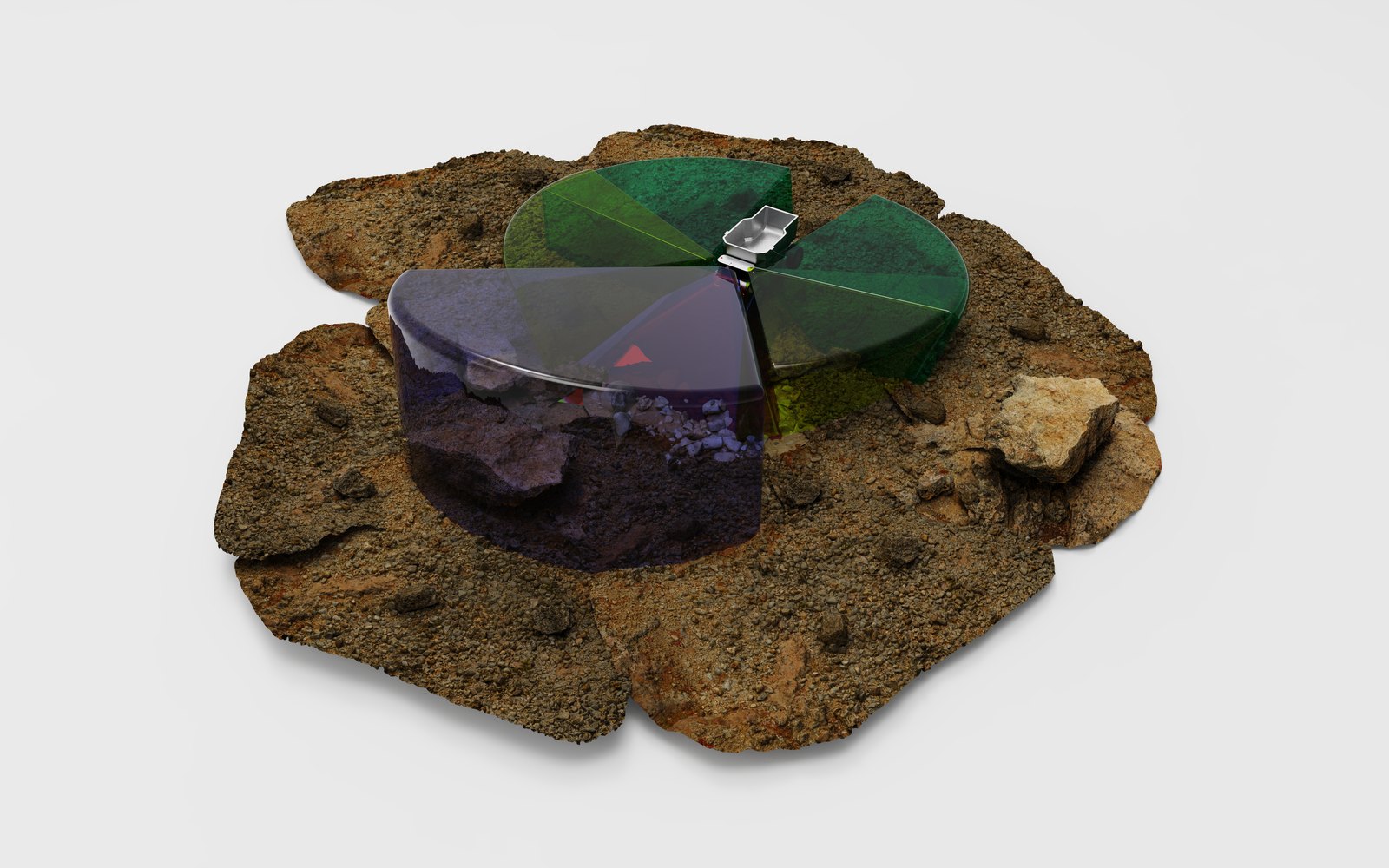
Localisation and perception
A typical off-road set combines an NDT (Normal Distributions Transform) scan matcher with RTK GNSS and IMU fusion, which holds an accurate position both in open areas and where satellite reception is obstructed. Perception processes camera, radar and LiDAR data through deep neural networks at the same time.
Components for this application
 Example: Smartmicro DRVEGRD 166 4D/IMG Imaging Radar Sensor
Automotive radar
Radar keeps detecting through dust, rain and darkness, where cameras struggle.
See the products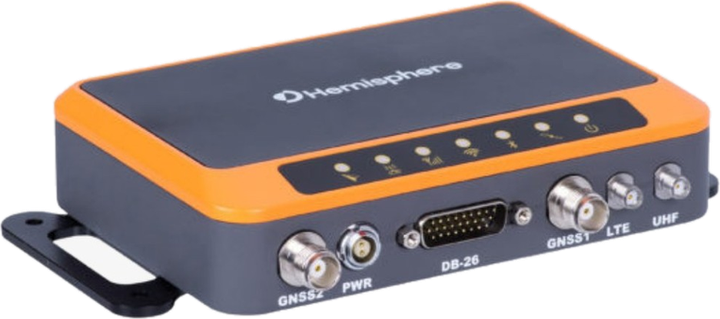 Example: Hemisphere GNSS R632 GNSS Receiver
Positioning
RTK GNSS receivers, antennas and inertial sensors for the position on site.
See the products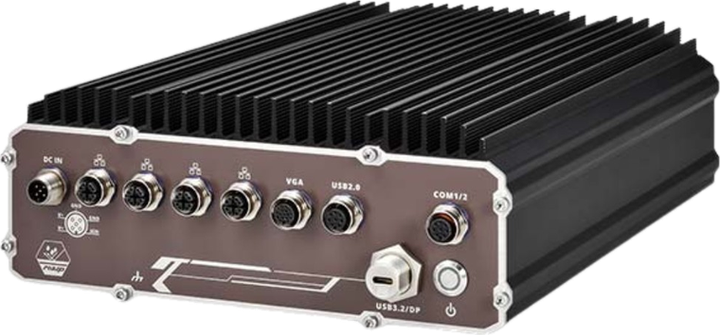 Example: Neousys Nuvo-9650AWP IP66 Waterproof Computer
Rugged computers
Fanless, sealed computers built for vibration, dust and water.
See the products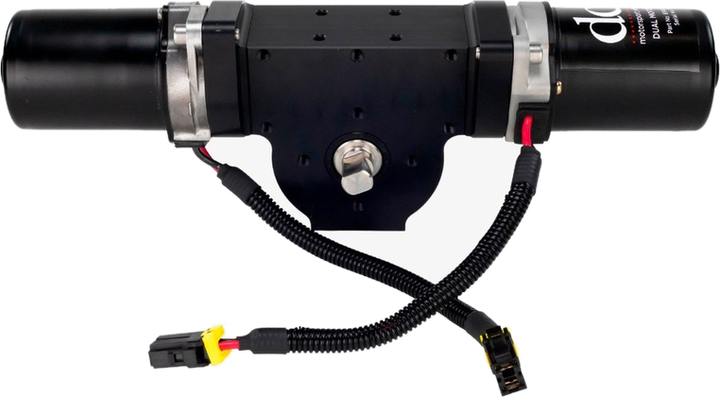 Example: DC Electronics Dual MGU (Motor Gearbox Unit) with Autonomous Control
Vehicle control
Steering motors, brake actuators and control units for drive-by-wire retrofits.
See the productsWhatever the set, plan a safety layer: an independent safety controller and a dedicated safety sensor that can bring the machine to a controlled stop if the main system fails.
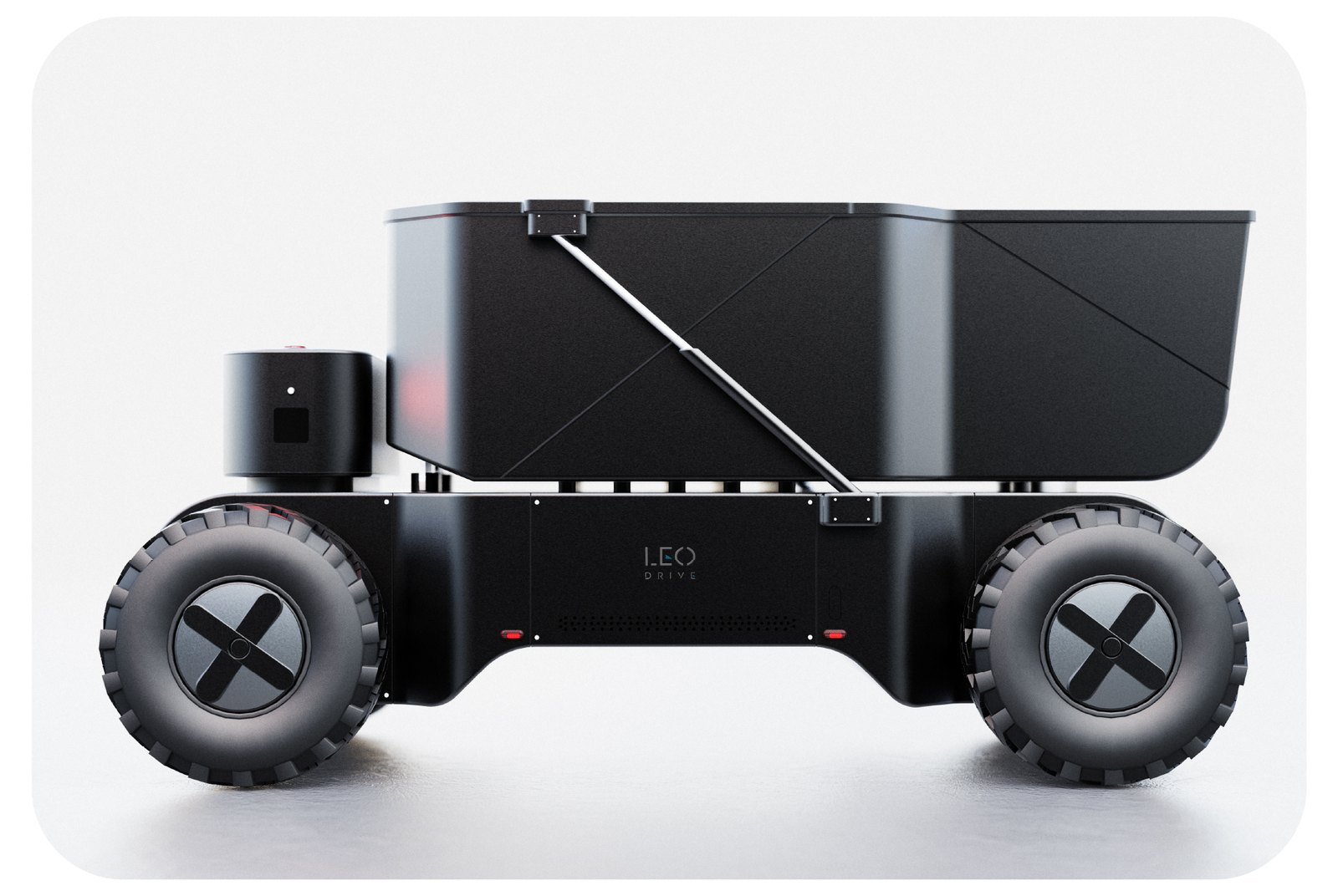
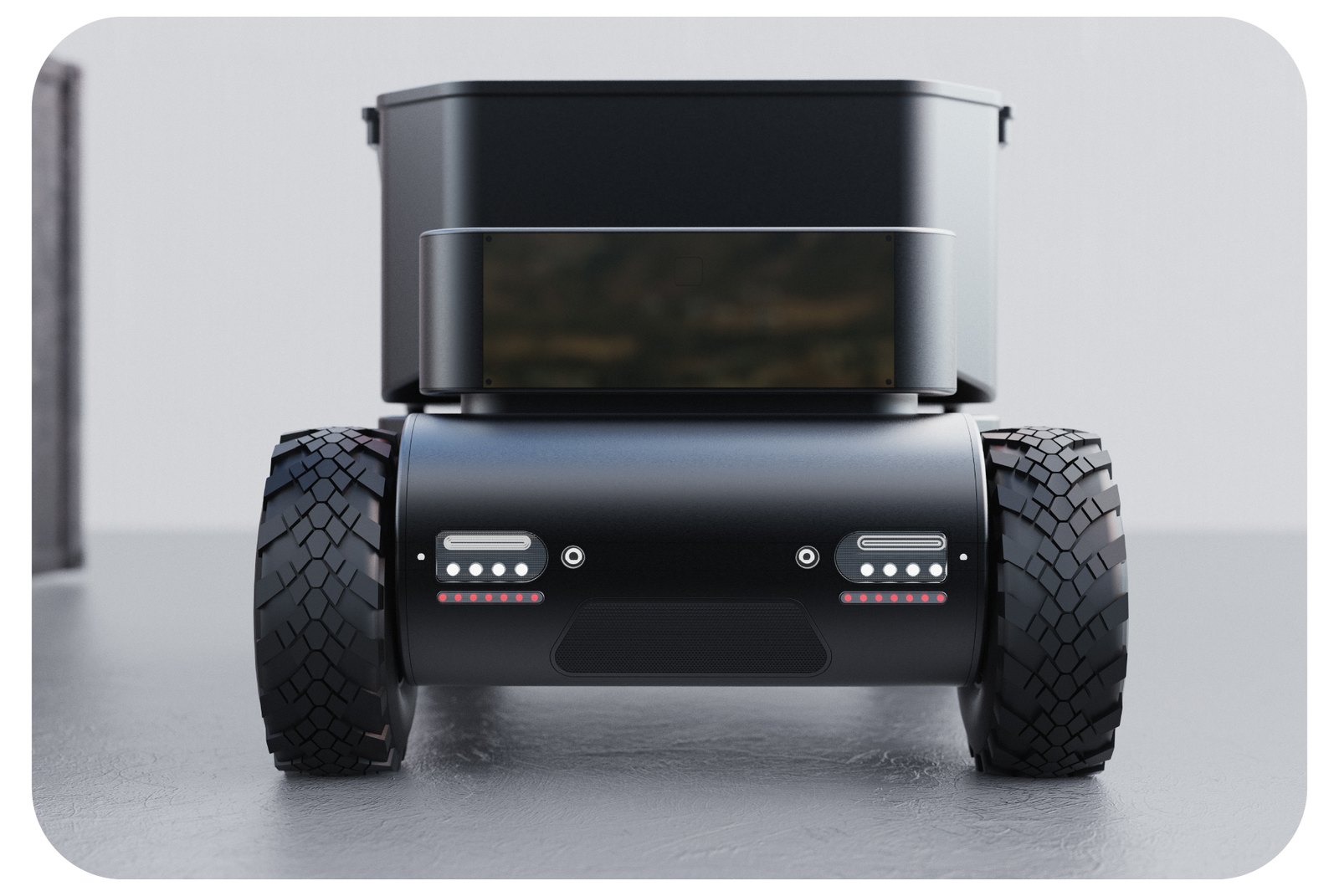
Mapped before it moves
Continuously updated high-definition maps and a geo-referenced mapping process give each vehicle a detailed picture of its surroundings. Together with localisation and perception, that is what supports safe unmanned operation, on a factory floor or in an open-pit mine.
Automating site vehicles?
Tell us about the machine and the duty cycle. Our engineers will propose the sensing, positioning, compute and control components and quote them.